


SEAI Grant Boost 2026: Heat Pumps Get €12,500, Windows Get New Funding – What About Solar?
On 27 January 2026, Minister for Climate, Energy and the Environment Darragh O'Brien announced the National Residential Retrofit Plan 2026, delivering the most significant expansion of SEAI home energy grants in years. Heat pump grants have nearly doubled to a maximum of €12,500, a brand new Windows and Doors grant launches from 2 March 2026 offering up to €4,000, and the solar PV grant remains at €1,800 for another year. For Irish homeowners planning energy upgrades, understanding these changes could save thousands of euros.
The Headline Changes: What's New in 2026
The National Residential Retrofit Plan 2026 introduces a substantial package of new and enhanced grants under SEAI's Better Energy Homes scheme. Here is what changed and when it took effect:
Changes Live from 3 February 2026
Heat Pump System Grant: Now Up to €12,500
The most significant change is the heat pump system grant, which has increased from a previous maximum of €6,500 to up to €12,500. This comprehensive grant now includes:
- €6,500 for the heat pump itself
- €2,000 for central heating upgrades (radiators and pipework)
- €4,000 Renewable Heat Bonus (for homes replacing fossil fuel heating systems)
At the time of writing, this represents the highest grant support available for any single home energy measure in Ireland. The new €12,500 maximum applies to applications already submitted to SEAI and not yet processed for payment, meaning homeowners who applied under the old scheme will automatically benefit from the increase.
Insulation Grant Increases
Recognising that installation costs have risen since 2022, SEAI has increased fixed grant amounts for:
- Attic insulation: Up to €2,000 (increased from previous levels)
- Cavity wall insulation: €1,800 (€2,300 for homeowners on qualifying welfare payments)
Changes Live from 2 March 2026
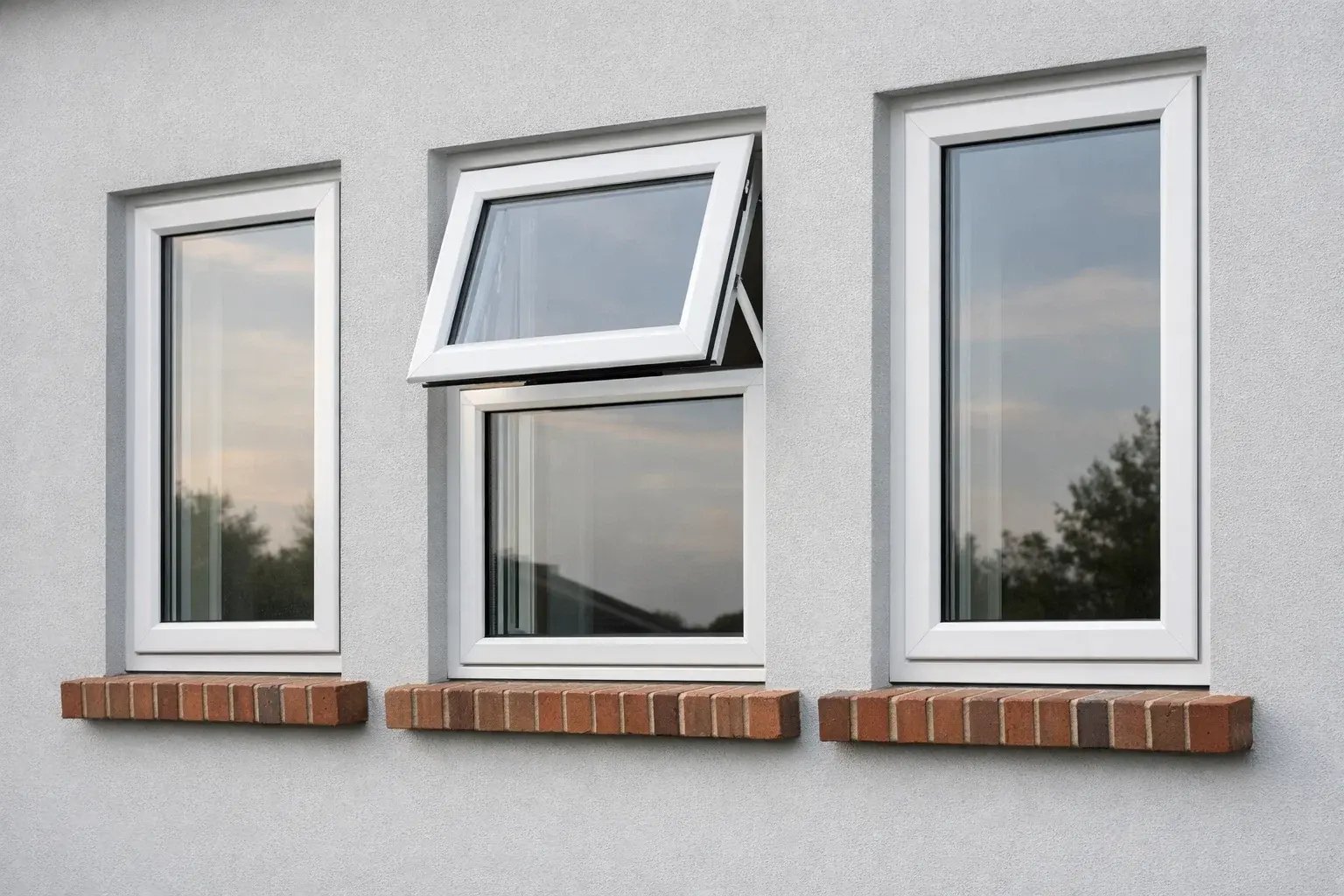
Brand New Windows and Doors Grant
From 2 March 2026, homeowners can access a dedicated grant for installing energy-efficient windows and doors. This is the first time SEAI has offered standalone support for windows and doors as part of the Better Energy Homes scheme.
Grant values vary by property type:
| Property Type | Windows Grant | Doors Grant |
|---|---|---|
| Apartment | €1,500 | €800 per door (max 2) |
| Mid-Terrace | €1,800 | €800 per door (max 2) |
| Semi-Detached / End of Terrace | €3,000 | €800 per door (max 2) |
| Detached | €4,000 | €800 per door (max 2) |
You can apply for the windows grant, the doors grant, or both. A detached home replacing windows and two doors could receive up to €5,600 in grant support.
Eligibility requirements:
- Home must be built and occupied before 2011
- Must replace existing single or double glaze windows with high-performing windows (U-value 1.4 or better)
- Home must have adequate attic and wall insulation (or you must install it to qualify)
Other New Measures from 2 March:
- First Time Buyers Attic Grant: Up to €2,500 specifically for first-time buyers of existing homes
- Second Wall Measure: Homeowners who previously received a wall insulation grant can now apply for a second wall insulation grant
- Enhanced grants for welfare recipients: Higher fixed amounts for attic and cavity insulation for homeowners on qualifying welfare payments
Solar PV Grant: Confirmed at €1,800 for 2026
In November 2025, Minister O'Brien confirmed that the SEAI solar PV grant will remain at €1,800 for 2026, reversing earlier plans to reduce it to €1,500. This was welcomed across the solar industry as it provides certainty for homeowners planning installations.
The solar grant structure remains:
| System Size | Grant Calculation | Total Grant |
|---|---|---|
| 1 kWp | €700 per kWp | €700 |
| 2 kWp | €700 per kWp | €1,400 |
| 3 kWp | €700 per kWp for first 2 kWp, then €200 per kWp | €1,600 |
| 4 kWp+ | €700 per kWp for first 2 kWp, then €200 per kWp | €1,800 (maximum) |
The grant applies pro-rata, so a 2.5 kWp system would receive €1,500 (€1,400 for the first 2 kWp, plus €100 for the additional 0.5 kWp).
Fill in the form below to get your free quote and see how much you cold save:
Combined with the 0% VAT rate on solar panel supply and installation (introduced May 2023 and continuing through 2026), solar panels remain one of the most financially supported home energy upgrades in Ireland.
Strategic Thinking: Which Upgrades Make Sense Together?
With multiple grants now available, homeowners face a strategic question: which upgrades should you prioritise, and in what order?
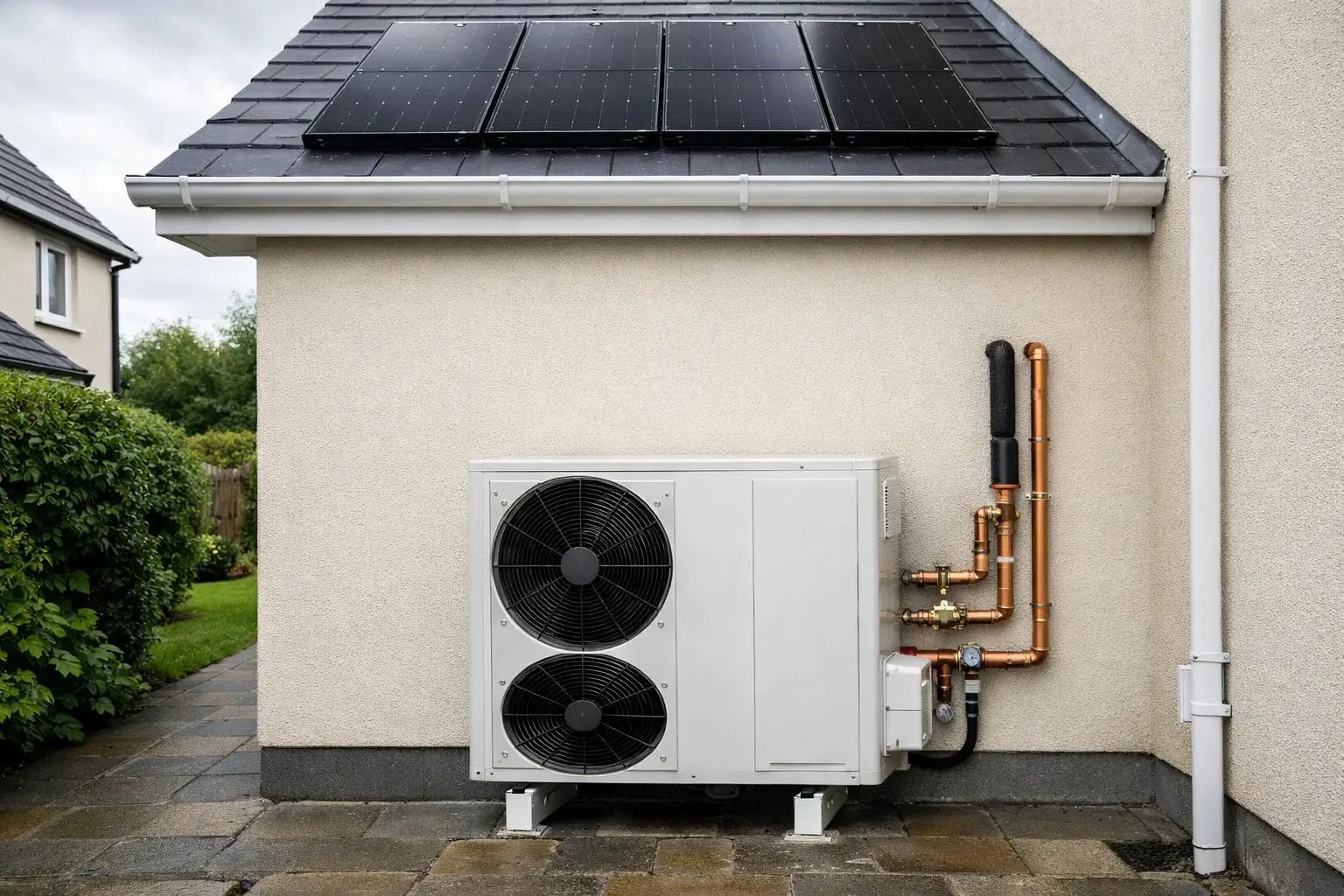
The Solar + Heat Pump Combination
This is one of the most powerful combinations for long-term energy savings. Here's why:
Heat pumps run on electricity. While they are highly efficient (producing 3 to 4 units of heat for every unit of electricity consumed), they will increase your electricity consumption compared to oil or gas heating.
Solar panels generate free electricity. By installing solar alongside a heat pump, you can offset much of the increased electricity demand, especially during the day when solar generation is strongest.
Financial example:
- Heat pump system grant: up to €12,500
- Solar PV grant: €1,800
- Total grant support: €14,300
A typical 7 kWp solar system (after grant) costs around €7,450, and a heat pump system (after the maximum grant) might cost €5,000 to €8,000 out of pocket, depending on the size of your home and extent of heating system upgrades needed.
Many installers can coordinate both installations, reducing overall project management time and potentially offering package pricing.
Windows, Insulation, Then Heating
If your home has poor insulation and old windows, starting with fabric upgrades makes the most sense:
Step 1: Insulation (attic and walls)
- Attic insulation: up to €2,000
- Cavity wall insulation: €1,800
- Total: €3,800
Step 2: Windows and Doors (from 2 March 2026)
- Detached home: up to €5,600 (windows + 2 doors)
- Semi-detached: up to €4,600
Step 3: Heat Pump
- Up to €12,500
This phased approach improves your home's thermal performance first, which means you can install a smaller (and less expensive) heat pump that will run more efficiently.
Solar First, Battery Later
If budget is a concern, installing solar panels now and adding battery storage later is a valid strategy.
Solar panels immediately reduce your electricity bills. While there is currently no SEAI grant for home battery storage, batteries can be installed at 0% VAT when added alongside solar panels. Many solar systems are designed to be battery-ready, allowing you to add storage when your budget allows.
The combination of solar and battery storage can increase self-consumption of your solar energy from 30 to 40% (solar only) to 70 to 80% (solar plus battery), maximising your savings and reducing grid reliance.
Understanding the Heat Pump Grant Breakdown
The new €12,500 maximum grant deserves closer examination because not all homeowners will receive the full amount.
Base heat pump grant: €6,500 All qualifying heat pump installations receive this amount.
Central heating upgrade grant: €2,000 If your existing radiators and pipework need upgrading to work efficiently with a heat pump, you can claim an additional €2,000. Many older heating systems require larger radiators or underfloor heating to accommodate the lower operating temperatures of heat pumps.
Renewable Heat Bonus: €4,000 This new bonus is available to homeowners replacing fossil fuel heating systems (oil, gas, LPG, coal) with a heat pump. If you already have electric heating, you would not qualify for this bonus.
Example scenarios:
| Current Heating | Radiators Need Upgrade? | Total Heat Pump Grant |
|---|---|---|
| Oil boiler | Yes | €12,500 |
| Gas boiler | No | €10,500 |
| Electric storage heaters | Yes | €8,500 |
| Electric storage heaters | No | €6,500 |
It is worth noting that heat pumps also benefit from a reduced 9% VAT rate (down from the standard 23% rate), introduced in January 2025. This is the lowest VAT rate permissible under EU law.
The Windows and Doors Grant: What You Need to Know
The new windows and doors grant, launching 2 March 2026, comes with important eligibility requirements that may require additional work.
The building fabric standard requirement:
Your home must meet a minimum energy performance standard to qualify. Specifically, your post-works Building Energy Rating (BER) must show a Heat Loss Indicator (HLI) of 2.3 W/Km² or better, OR your attic and walls must be rated as "Good" or "Very Good" in your BER Advisory Report.
What this means in practice:
Many homes will already meet this standard if they have had recent insulation work. However, if your home has poor or no insulation, you will need to upgrade your attic and wall insulation first before you can claim the windows grant.
This requirement makes sense from an energy efficiency perspective. Installing new windows in a poorly insulated home delivers minimal benefit, whereas new windows in a well-insulated home complete the thermal envelope and deliver significant comfort and energy savings.
How to check if you qualify:
- Check if you have previously received SEAI grants for attic and wall insulation (if yes, you qualify)
- Check your existing BER certificate's Advisory Report on the national BER register to see if attic and walls are rated "Good" or "Very Good"
- Get a BER assessment from a registered assessor who can advise whether you need insulation upgrades
If you do need insulation first, grants are available (€2,000 for attic, €1,800 for cavity wall), so you can phase your upgrades: insulation first, then windows.
Application process:
Applications for the windows and doors grant opened on 2 March 2026 via the SEAI online portal. You can manage the application yourself using an SEAI registered contractor, or use a One Stop Shop to handle the entire process.
A post-works BER assessment is required after installation to confirm the work meets requirements and the HLI standard is achieved.
What Has Not Changed (But Remains Valuable)
While the headlines focus on increases and new grants, several existing supports remain in place and continue to offer excellent value:
Solar PV Grant: €1,800 (maximum, as detailed above)
EV Home Charger Grant: €300 (reduced from €600 in January 2024, but still available)
Insulation grants for other measures:
- External wall insulation: up to €8,000
- Internal wall insulation (dry lining): up to €4,500
- Floor insulation: €3,500
Other renewable measures:
- Solar thermal: €1,200
- Mechanical ventilation: €1,500
For homeowners planning comprehensive retrofits, the One Stop Shop service remains available. One Stop Shops manage the entire upgrade process, apply for grants on your behalf, and deduct grant amounts upfront from your costs.
How This Affects WattCharger Customers
WattCharger specialises in solar PV, battery storage, and EV charging installations across Ireland. Here is how these grant changes affect our customers:
Solar Panel Installations
The confirmed €1,800 grant for 2026, combined with 0% VAT, keeps solar highly attractive. With electricity prices averaging around 36 pence per kWh (at the time of writing), a typical solar system pays for itself in 4 to 7 years through bill savings and Clean Export Guarantee payments.
WattCharger handles all grant application paperwork, ensuring you receive your €1,800 grant without administrative hassle. We are SEAI registered installers and provide the required post-works BER assessment as part of our service.
Solar + Heat Pump Strategy
If you are considering both solar and a heat pump, coordinating the installations makes excellent financial sense. Solar panels can power your heat pump during the day, significantly reducing the running costs of your heating system.
While WattCharger specialises in solar and energy storage, we can advise on the optimal solar system size if you are planning to add a heat pump, and recommend trusted heat pump installers for coordinated projects.
Battery Storage (No Grant, But Still Worth It)
There is no SEAI grant specifically for home battery storage at the time of writing. However, batteries installed alongside solar panels qualify for 0% VAT, reducing the cost significantly.
Battery storage makes the most sense for homeowners who:
- Already have solar panels and want to maximise self-consumption
- Are installing solar and want maximum energy independence
- Have time-of-use electricity tariffs and want to store cheap night-time power
- Are planning to add a heat pump or EV charger and want to manage increased electricity demand
A typical 5 kWh battery costs €2,500 to €3,500 (including installation), while a 10 kWh system costs €4,500 to €7,000. Without grant support, the payback period is longer (typically 8 to 12 years), but the benefits include energy security, maximum use of your solar generation, and protection against grid outages.
EV Charger Installation
The EV home charger grant remains at €300 (down from €600 in 2024). While the reduction is disappointing, the grant still provides valuable support, and smart EV chargers pay for themselves through cheaper overnight charging.
WattCharger installs SEAI grant-approved EV chargers including the Zappi and Ohme Home Pro, both of which can integrate with solar panels to charge your EV using free solar energy during the day.
Budget 2026 and Long-Term Retrofit Funding
The National Residential Retrofit Plan 2026 is backed by €558 million set aside specifically for home energy upgrades and retrofits. This represents a significant government investment in decarbonising Ireland's housing stock.
Between 2019 and the end of 2025, the government invested €1.67 billion supporting upgrades in over 244,000 homes (almost a quarter of a million properties). The 2026 plan builds on this momentum with higher grant values and expanded eligibility, aiming to retrofit even more homes this year.
SEAI chief executive William Walsh commented: "Last year was a record year for SEAI, but now, with these new measures, we will go even further, bringing lower energy bills and more comfortable, healthier living to thousands more across the country. There really has never been a better time to retrofit your home."
Practical Next Steps: How to Take Advantage
If you are considering home energy upgrades in 2026, here is how to approach it strategically:
Step 1: Assess Your Home's Current Performance
Get a BER assessment to understand your home's energy performance and identify priority upgrades. This costs around €150 to €250 and provides a clear roadmap.
Step 2: Determine Your Budget and Timeline
Decide whether you want to:
- Complete a comprehensive deep retrofit all at once (potentially using a One Stop Shop)
- Phase upgrades over multiple years based on budget and priorities
- Start with the quickest payback measures (typically insulation and solar)
Step 3: Research SEAI Registered Contractors
Only SEAI registered contractors can complete grant-eligible work. For solar installations, WattCharger is SEAI registered and handles the full grant application process.
For heat pumps, windows, or insulation, search the SEAI contractor register or use a One Stop Shop that manages all aspects of multi-measure projects.
Step 4: Apply for Grants Before Starting Work
This is critical: you must receive grant approval before beginning any work. Grants cannot be backdated. Apply through the SEAI online portal at seai.ie.
Step 5: Complete Work Within Timeframes
Once approved, you typically have 8 months to complete solar installations and submit all required documentation. Other measures have similar timeframes specified in your grant approval letter.
Common Questions About the 2026 Grant Changes
Will grant amounts change again in 2027?
The National Residential Retrofit Plan is designed for 2026, and future grant levels will be announced in Budget 2027. Historically, grant amounts have varied year to year based on government priorities and budget allocations.
Can I combine multiple grants?
Yes. You can claim grants for multiple different measures (e.g., solar + insulation + heat pump) as long as each measure meets the individual grant requirements. Grants are measure-specific, not property-limited.
Do I need to complete all upgrades at once?
No. You can phase upgrades over multiple years. However, some measures (like the windows grant) require minimum insulation standards to be met first.
What if I already applied for a heat pump grant under the old rates?
Good news: the new €12,500 maximum applies to applications already submitted and not yet processed for payment. You will automatically receive the higher amount.
Are these grants available for rental properties?
Yes. Private landlords, owner management companies, and Approved Housing Bodies can access grants. Landlords can also benefit from tax relief allowing them to deduct up to €10,000 in retrofit costs (net of grants) from rental income for up to three properties between 2026 and 2028.
Final Thoughts
The National Residential Retrofit Plan 2026 represents the most significant expansion of home energy grant support in recent years. With heat pump grants nearly doubled, a brand new windows grant offering up to €4,000, insulation support increased, and solar grants confirmed at €1,800, Irish homeowners have unprecedented financial support to make their homes warmer, cheaper to heat, and more environmentally sustainable.
The strategic opportunity is clear: with grant support covering a substantial portion of upgrade costs, 2026 is an excellent year to invest in home energy improvements. Whether you start with solar panels to reduce electricity bills immediately, plan a comprehensive retrofit to achieve a B2 BER, or phase upgrades across multiple years, the funding is available to support your journey.
As electricity prices remain high and climate targets drive policy, these grants represent a direct financial benefit while also future-proofing your home and contributing to Ireland's renewable energy transition.
Ready to Start Your Solar Journey?
WattCharger offers SEAI grant-approved solar panel installation across Ireland, with full support for grant applications and paperwork. We also provide battery storage and EV charger installation to create a complete home energy solution.
Get in touch for a free consultation and personalised quote. We will assess your property, calculate your potential savings, and handle every step from design to installation to grant claim.
Make EV EZ – and make your home energy efficient – with WattCharger, Ireland's trusted provider of renewable energy solutions.
Blog Author: Rowan Egan