


Last updated: April 2026
Charging My EV with a Granny Charger: Is It Safe in 2026?
The term "Granny Charger" may sound comical, but despite its quirky name, this humble cable plays an important role for EV owners across Ireland. In emergencies or when you are visiting relatives without a proper charging point, it might be your only option to bridge the gap between an empty battery and a full one.
But here is the question every new EV owner asks: Is it safe to rely on a granny charger for regular home charging? The short answer is no, and in this guide we will explain exactly why.
Ireland's EV charging infrastructure has grown significantly in recent years. With over 2,500 public charge points and rapidly expanding home charging installations, owning an electric vehicle has never been easier. But if you are still plugging a cable into your kitchen socket and running it out the window to charge your car overnight, you are taking unnecessary risks and wasting money.
Let's break down what granny chargers actually are, when you should (and should not) use them, and why investing in a proper home EV charger is one of the smartest decisions you can make as an EV owner.
What Is a Granny Charger?
A "Granny Charger" is the informal name for an In-Cable Control Box (ICCB), a basic charging cable that typically comes free with your electric vehicle. The nickname comes from two things:
- It's meant for emergency use, like charging at your granny's house when no proper charging point is available
- It's incredibly slow, much like grannies are stereotypically slow (no offence to all the wonderful grannies out there!)
Think of it like the spare tyre that comes with your car. It is designed to get you home in an emergency, not to replace your regular tyres permanently.
The granny charger plugs into a standard 13-amp three-pin household socket (the same type you use for your kettle or phone charger). Inside the cable is a control box that handles basic safety and communication functions that would normally be managed by a dedicated EV charging unit.
Granny Charger Specifications:
- Power output: 2.3 kW (sometimes up to 3 kW on newer models)
- Charging speed: Approximately 13 to 16 km of range per hour
- Full charge time: 24 to 40+ hours depending on your EV's battery size
- Cost: Typically included free with your EV purchase
Compare this to a dedicated home charger like the Zappi or Ohme Home Pro, which deliver 7.4 kW and can fully charge most EVs overnight in 6 to 8 hours.


Why Granny Chargers Are Not Designed for Regular Use
While granny chargers can technically charge your EV, they were never designed to be your primary charging solution. Here is why:
1. Painfully Slow Charging Times
Let's look at how long it takes to fully charge some of Ireland's most popular EVs in 2026 using a granny charger versus a proper home charger:
| EV Model | Battery Size | Granny Charger (2.3 kW) | Home Charger (7.4 kW) |
|---|---|---|---|
| Hyundai Inster | 42 kWh | ~18 hours | ~6 hours |
| Kia EV3 | 58.3 kWh | ~25 hours | ~8 hours |
| Volkswagen ID.4 | 77 kWh | ~33 hours | ~10 hours |
| Tesla Model 3 | 60 kWh | ~26 hours | ~8 hours |
| Skoda Enyaq | 82 kWh | ~36 hours | ~11 hours |
With a granny charger, you are looking at 24 to 36+ hours for a full charge on most modern EVs. That means if you arrive home on Monday evening with an empty battery, you might not have a full charge until Wednesday morning.
Even worse, during those 24+ hours, you will be paying peak electricity rates unless you manually unplug and replug the charger during off-peak hours (which defeats the entire purpose of convenient home charging).
2. Serious Safety Risks
Standard household sockets are not designed to handle continuous high-power loads for extended periods. When you plug in a granny charger and leave it running for 20+ hours, you are asking a socket designed for occasional use (kettle, toaster, vacuum) to deliver sustained 10-amp current overnight.
The risks include:
- Overheating: The socket, plug, or internal wiring can overheat, especially in older homes with outdated electrical systems
- Fire hazard: Prolonged overheating can melt socket components or ignite surrounding materials
- Circuit overload: If other appliances are on the same circuit, you risk tripping breakers or overloading the system
- Degraded connections: Repeated heating and cooling cycles can degrade socket contacts, increasing resistance and further raising temperatures
Irish homes built before 2000 are particularly at risk, as wiring standards and socket quality were not designed with EV charging in mind.
3. No Weather Protection
Most granny chargers are not weatherproof. If you are running the cable through a window or using an outdoor socket, you are exposing electrical components to Ireland's notoriously wet and unpredictable weather.
Proper home EV chargers like the Zappi and Ohme are rated IP65 (dust-tight and protected against water jets from any direction). Granny chargers typically have minimal weather sealing and should never be left exposed to rain, snow, or damp conditions.
4. Security Vulnerabilities
Running a granny charger cable through an open window is an open invitation to intruders. Even a small gap is enough for someone to reach inside and unlock a door or window.
Additionally, the cable itself can be stolen or tampered with when left outside overnight.
5. You Are Paying Peak Rates
Because granny chargers take so long to charge, you will inevitably be drawing electricity during peak daytime hours when rates are highest (approximately €0.36 to €0.42 per kWh in April 2026).
A proper smart home charger can be scheduled to charge only during off-peak night rates (as low as €0.05 to €0.12 per kWh depending on your supplier), saving you hundreds of euros per year.
When Should You Use a Granny Charger?
Granny chargers do have their place, but only as emergency backup:
✅ When to use a granny charger:
- Visiting friends or family without a proper charging point
- Unexpected trips where no public chargers are available nearby
- Short-term top-ups when you only need 20 to 30 km of extra range
- As a backup if your home charger malfunctions and you are waiting for a repair
❌ When NOT to use a granny charger:
- Daily home charging (massive safety risk and money waste)
- Overnight charging in your driveway or garage (use a proper home charger instead)
- Extended charging sessions (anything over 4 to 6 hours continuously)
- Outdoor use in wet conditions without proper weatherproof sockets
Safety Checklist: If You Must Use a Granny Charger
If you find yourself in a situation where you have no choice but to use a granny charger, follow these safety rules:
- Check your home's electrical wiring – Ask an electrician to confirm your sockets and wiring can handle sustained 10-amp loads. Homes built before 2000 may need upgrades.
- Inspect the socket – Look for:
- Scorch marks or discolouration around the socket
- Loose or wobbly socket face
- Cracked plastic housing
- Any burning smell
- Never use extension leads – Plug the granny charger directly into the wall socket. Extension leads add resistance and heat, multiplying fire risk.
- Keep it dry – Never expose the granny charger or socket to rain, damp, or moisture. If you must use an outdoor socket, ensure it is a weatherproof RCD-protected unit installed by a qualified electrician.
- Monitor the socket temperature – Check the socket after 30 minutes and again after 2 hours. If it feels warm to the touch, stop charging immediately and have the socket inspected.
- Do not leave unattended for long periods – Avoid overnight granny charging if possible. If you must charge overnight, set a timer to limit charging to off-peak hours only (typically 2am to 7am).
- Limit usage – Granny chargers should be a last resort, not a daily habit.
The Better Solution: Install a Proper Home EV Charger
If you own an electric vehicle, installing a dedicated home EV charger is not optional. It is essential for safety, convenience, and cost savings.
Here is why a proper home charger makes sense:
1. Faster Charging (Up to 3× Quicker)
A 7.4 kW home charger delivers three times the power of a granny charger, meaning:
- Full charge overnight (6 to 10 hours depending on battery size)
- Add 40 to 50 km of range per hour of charging
- Wake up every morning with a full battery, ready for your commute
2. Massive Cost Savings
Smart home chargers can be scheduled to charge only during off-peak night-rate hours when electricity is cheapest.
Annual charging cost comparison (15,000 km/year driving):
| Charging Method | Cost per kWh | Annual Cost | Annual Savings vs Granny |
|---|---|---|---|
| Granny charger (peak rate) | €0.36 | €810 | — |
| Home charger (night rate) | €0.10 | €225 | €585/year |
| Home charger + solar | €0.02–€0.05 | €45–€113 | €697–€765/year |
Over 10 years, switching from a granny charger to a smart home charger with night-rate tariff will save you approximately €5,850 in electricity costs.
If you add solar panels to power your EV charger during the day, those savings increase to over €7,000+ over 10 years. Contact us on the form below for your free quote:
3. Built-In Safety Features
Proper home EV chargers include:
- Overload protection – Automatically adjusts power output to prevent circuit overload
- Earth fault protection – Detects electrical faults and shuts down instantly
- Weatherproof casing – IP65-rated for outdoor installation in all Irish weather conditions
- Tamper-resistant design – Secure mounting and lockable connectors
- Temperature monitoring – Internal sensors prevent overheating
4. Smart Features and Dynamic Tariff Readiness
From June 2026, Irish electricity suppliers will offer dynamic tariffs where prices change every 30 minutes based on wholesale electricity costs. Smart home chargers like the Ohme Home Pro can automatically schedule your charging during the cheapest windows (potentially as low as €0.02 to €0.08 per kWh overnight), maximising your savings.
Granny chargers have no smart features. You plug them in and hope for the best.
5. Solar Integration
If you have solar panels or plan to install them, chargers like the Zappi can automatically divert excess solar energy to charge your EV for free during the day. This means:
- Zero cost per kilometre driven during sunny months
- Reduced reliance on grid electricity
- Maximum return on your solar investment
Granny chargers cannot integrate with solar systems.
WattCharger's Smart Home EV Chargers: Built for Irish Drivers
WattCharger offers three SEAI grant-approved smart home EV chargers designed for Irish conditions and ready for June 2026 dynamic tariffs:
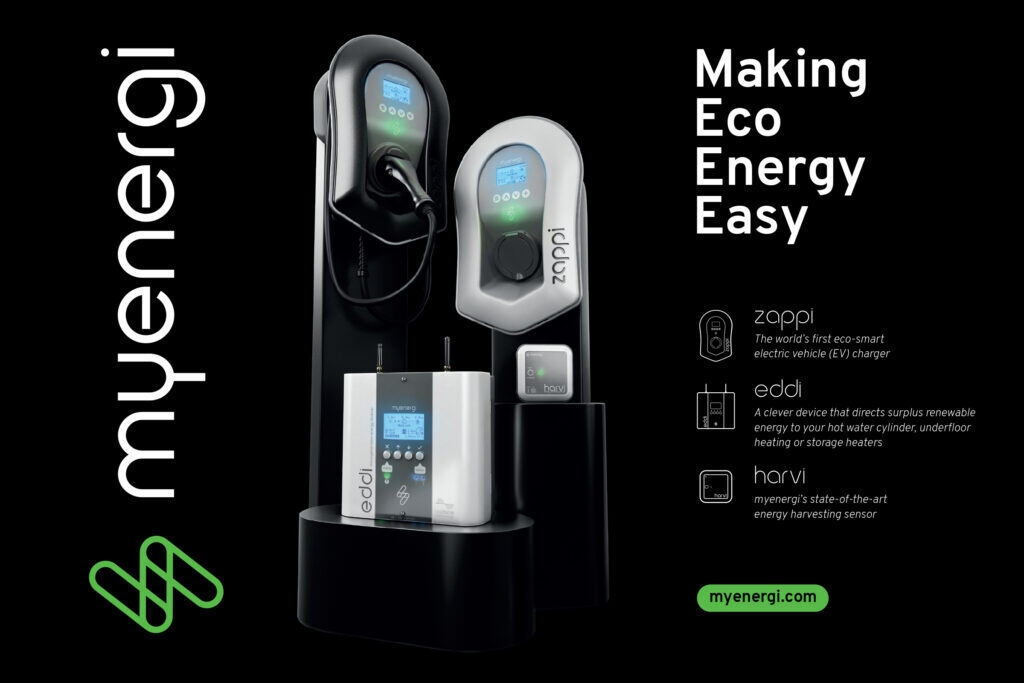
1. Zappi EV Charger (Tethered & Untethered)
- Price: €999 (€300 SEAI grant available, net installed cost ~€1,450)
- Power: 7.4 kW
- Smart Features: Solar integration, eco mode, boost mode, app scheduling
- Best For: Homeowners with solar panels or planning to add solar
- Available: Black or white, tethered (built-in cable) or untethered
- Learn more: Zappi tethered | Zappi untethered
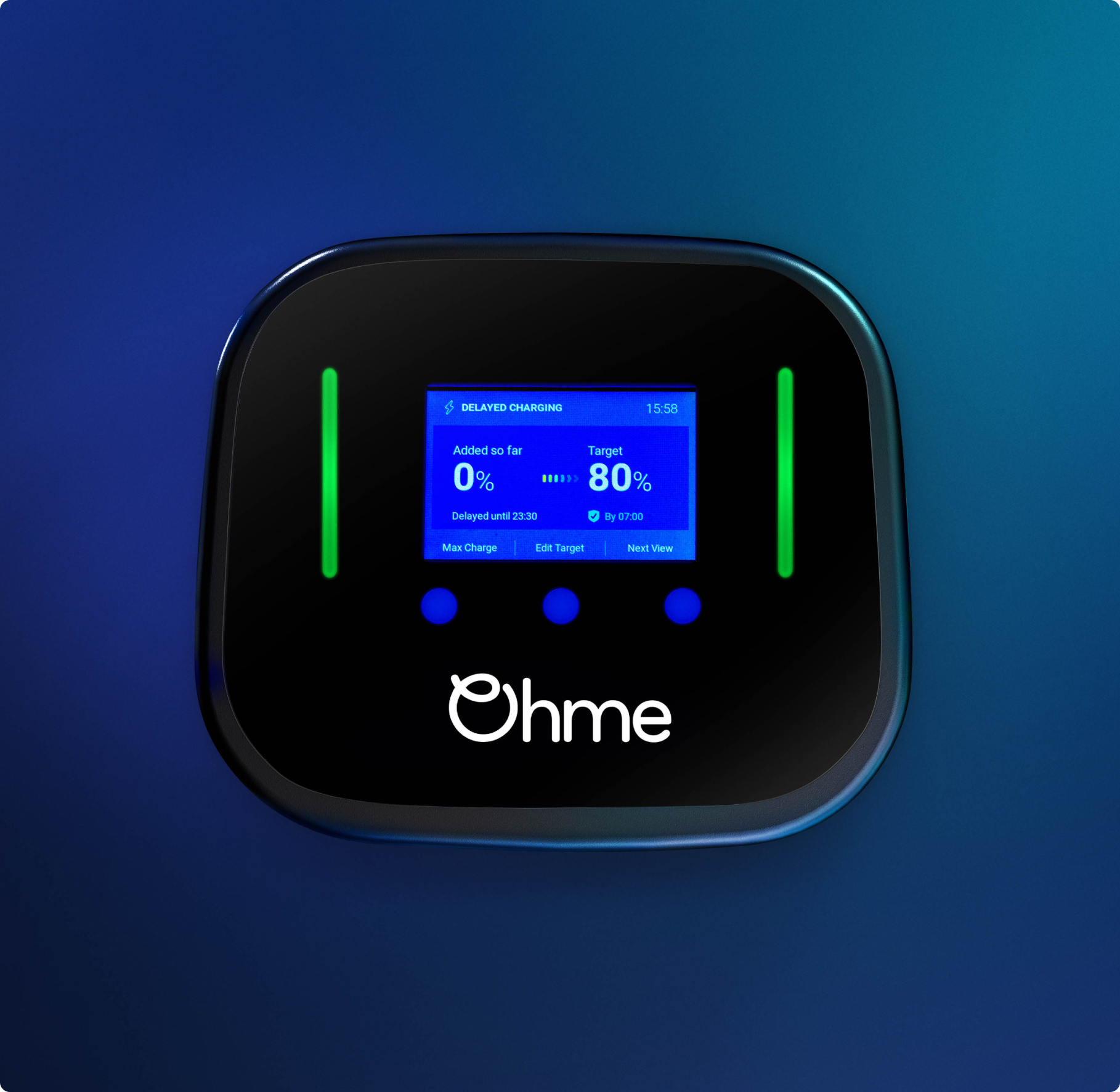
2. Ohme Home Pro
- Price: €899 (€300 SEAI grant available, net installed cost ~€1,350)
- Power: 7.4 kW
- Smart Features: Dynamic tariff API integration, automatic scheduling, cost tracking
- Best For: Maximum automation and tariff optimisation
- Learn more: Ohme Home Pro
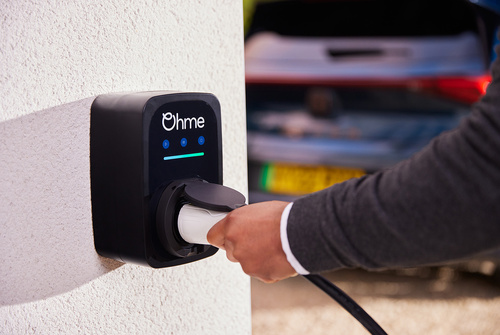
3. Ohme ePod
- Price: €805 (€300 SEAI grant available, net installed cost ~€1,260)
- Power: 7.4 kW
- Smart Features: Smart scheduling, API integration, compact design
- Best For: Budget-conscious buyers who want smart features
- Learn more: Ohme ePod
All three chargers are:
- SEAI grant-approved (claim €300 towards installation)
- Safe Electric certified (installed by qualified electricians)
- Weatherproof (IP65-rated for outdoor use)
- Smart tariff ready (automatic scheduling for night rates and dynamic pricing)
- App-controlled (monitor charging, track costs, set schedules from your phone)
Real-World Example: Sarah's Granny Charger Mistake
Sarah from Cork bought a Kia EV3 in January 2026. Not wanting to spend money on a home charger immediately, she decided to use the granny charger that came with the car.
Her experience over 3 months:
- Charged 3 to 4 times per week using the granny charger plugged into her kitchen socket
- Each full charge took 24+ hours
- Total electricity cost: €240 (charged mostly during peak daytime rates at €0.36/kWh)
- Safety scare: Socket became warm to the touch after 6 weeks; electrician found partially melted socket contacts (€150 repair bill)
- Inconvenience: Had to plan trips days in advance to ensure battery was full
After installing an Ohme Home Pro in April 2026:
- Full charge every night in 7 hours (plugs in before 11pm, full by 6am)
- Switched to Pinergy night-rate tariff (€0.0545/kWh from 2am to 5am)
- Monthly electricity cost for EV charging: €18 to €22
- Annual savings vs granny charger: €585
- Payback period on €1,350 charger investment: 2.3 years
- Peace of mind: No more worrying about overheating sockets or slow charging
Sarah's only regret? Not installing the home charger on day one.
How to Get Your Home EV Charger Installed
Installing a home EV charger with WattCharger is straightforward:
Step 1: Choose Your Charger Browse our smart EV chargers and decide between Zappi (best for solar integration), Ohme Home Pro (best for automation), or Ohme ePod (best value).
Step 2: Get a Free Quote Contact WattCharger for a free consultation. We will assess your home's electrical capacity, parking setup, and recommend the right charger.

Step 3: Apply for the SEAI Grant WattCharger handles all SEAI paperwork on your behalf. The €300 grant is deducted from your final invoice.
Step 4: Installation (Same Day or Next Day) A Safe Electric-certified WattCharger installer fits your charger in 2 to 4 hours. The charger is commissioned, tested, and connected to your Wi-Fi before we leave.
Step 5: Start Charging Smarter Set your charging schedule via the app, switch to a night-rate tariff, and enjoy lower costs and faster charging from day one.
Final Thoughts
Granny chargers have earned their place in the boot of your EV as emergency backup. But relying on one for daily home charging is expensive, inconvenient, and genuinely dangerous.
Ireland's EV infrastructure has matured significantly. With over 2,500 public chargers, affordable home charging options, and €300 SEAI grants available, there is simply no reason to keep using a granny charger as your primary charging solution.
A proper home EV charger pays for itself in 2 to 3 years through electricity savings alone, charges your car 3× faster, eliminates safety risks, and prepares you for June 2026 dynamic tariffs that could slash your charging costs even further.
Think of it this way: you would not use a spare tyre as your everyday driving tyre. So why would you use a granny charger as your everyday EV charger?
Ready to Charge Smarter and Safer?
Stop risking your home's electrical system and wasting money on peak-rate electricity. WattCharger offers SEAI grant-approved installation across Ireland, with expert advice to help you choose the right charger for your needs.
Browse our range of smart EV chargers or contact us at rpe@wattcharger.com for a free consultation.
Your EV deserves better than a granny charger. So does your wallet.

Blog Author: Adrian Dorney