


Dynamic Electricity Tariffs Are Coming to Ireland: Here's Why Your EV Charger Needs to Be Smart
If you drive an electric vehicle in Ireland, June 2026 will change how you pay for charging, for better or worse.
From 1 June 2026, all major Irish electricity suppliers will be required to offer dynamic tariffs, where your unit price changes every 30 minutes based on real-time wholesale electricity costs. For EV owners with smart chargers, this could slash charging costs to as little as €0.02 to €0.08 per kWh during off-peak hours. But if you have a basic "dumb" charger plugged into a standard socket, you risk paying peak rates of €0.50 to €0.70 per kWh, more expensive than petrol per kilometre.
The difference between these two scenarios is a smart EV charger with automated scheduling. Here is everything you need to know about dynamic tariffs, how they work, and why the charger you choose today will determine your charging costs for years to come.
What Are Dynamic Electricity Tariffs?
Dynamic tariffs (also called real-time pricing or smart tariffs) tie your electricity rate directly to wholesale market prices, which fluctuate throughout the day based on supply and demand.
How current tariffs work:
- Standard rate: One fixed price all day (typically €0.36 to €0.42 per kWh in March 2026).
- Night-rate tariff: Cheap electricity during set hours (for example, Pinergy offers €0.0545 per kWh from 2am to 5am, compared to €0.38 per kWh during the day).
How dynamic tariffs work:
- Your electricity price updates every 30 minutes based on wholesale market conditions.
- When demand is low and renewable generation is high (for example, 2am on a windy night), prices can drop to €0.02 to €0.08 per kWh.
- When demand peaks and gas plants must run (for example, 6pm on a cold weekday), prices can spike to €0.50 to €0.70 per kWh or higher.
- Prices are published 24 hours in advance, so you (or your smart devices) can plan when to use electricity.
At the time of writing, no Irish supplier has launched a dynamic tariff yet, but the Commission for Regulation of Utilities (CRU) has mandated that all five major suppliers (Electric Ireland, SSE Airtricity, Energia, Bord Gáis Energy, and Flogas) must offer at least one dynamic plan from 1 June 2026. According to Switcher.ie's guide to dynamic tariffs, the rollout was originally scheduled for October 2025 but was delayed to give suppliers more time to prepare billing systems and customer education.
Dynamic tariffs have been proven in the UK, where Octopus Energy's Agile Octopus plan tracks wholesale prices every 30 minutes and caps the maximum rate at £1.00 per kWh (approximately €1.19 per kWh) to protect customers from extreme spikes.
Why Dynamic Tariffs Are a Game-Changer for EV Owners
Ireland's electricity grid is rapidly decarbonising. As of March 2026, wind and solar account for 48 per cent of generation, and the country has reached 8 GW of renewable capacity. But renewable output is intermittent: on windy nights, the grid can have too much supply, driving wholesale prices near zero (or even negative); on calm evenings, gas plants must ramp up, pushing prices to €200+ per MWh.
Dynamic tariffs pass these fluctuations to consumers, creating powerful incentives to shift electricity use to times when clean, cheap power is abundant.
For EV owners, the opportunity is enormous:
| Scenario | Typical Rate (€/kWh) | Cost to Charge 60 kWh Battery | Cost per 100 km |
|---|---|---|---|
| Standard daytime rate | €0.36 | €21.60 | €5.40 |
| Current night-rate (Pinergy) | €0.0545 | €3.27 | €0.82 |
| Dynamic off-peak (estimated) | €0.02 – €0.08 | €1.20 – €4.80 | €0.30 – €1.20 |
| Dynamic peak (estimated) | €0.50 – €0.70 | €30 – €42 | €7.50 – €10.50 |
If you charge during dynamic off-peak windows, you could cut your annual EV charging cost (15,000 km per year) from €810 on a standard rate to as little as €45 to €180, a saving of €630 to €765 per year.
But if you plug in during peak hours without automation, you could pay more than a diesel driver per kilometre.

The Problem: You Cannot Manually Optimise 48 Half-Hour Periods Every Day
Dynamic tariffs update every 30 minutes, which means 48 separate price points every 24 hours. Prices vary day by day depending on weather (wind and solar output), demand (weekday vs weekend, cold snaps), and grid conditions.
You will not be able to:
- Check electricity prices at 2am every night and rush outside to plug in your car.
- Manually calculate the cheapest 3-hour charging window across shifting daily price curves.
- React in real-time when wholesale prices suddenly drop due to a wind surge at 4am.
This is where smart EV chargers become essential rather than optional.
What Makes an EV Charger "Smart"?
A smart EV charger connects to your home Wi-Fi and can be controlled remotely via a smartphone app. The key features you need for dynamic tariffs are:
1. Automated Scheduling
You set a "ready-by" time (for example, 7am tomorrow) and a target charge level (for example, 80 per cent). The charger calculates how many hours of charging are needed (for example, 3 hours) and automatically schedules those hours during the cheapest 30-minute periods overnight, based on your supplier's published dynamic price data.
2. API Integration with Tariff Data
Advanced chargers (for example, Ohme Home Pro) integrate directly with dynamic tariff APIs from suppliers like Octopus Energy, Energia, and SSE Airtricity. The charger downloads the next day's 48 price points, ranks them from cheapest to most expensive, and selects the optimal charging slots without you lifting a finger.
3. Solar Integration (Bonus Feature)
If you have rooftop solar panels, smart chargers like the Zappi can prioritise free solar energy during the day and top up from the grid only during the cheapest overnight periods. This combination delivers the absolute lowest charging costs possible.
WattCharger's Smart EV Chargers: Built for Dynamic Tariffs
WattCharger offers three smart EV chargers that are designed for dynamic pricing and ready for the June 2026 rollout:
1. Zappi EV Charger (Tethered & Untethered)
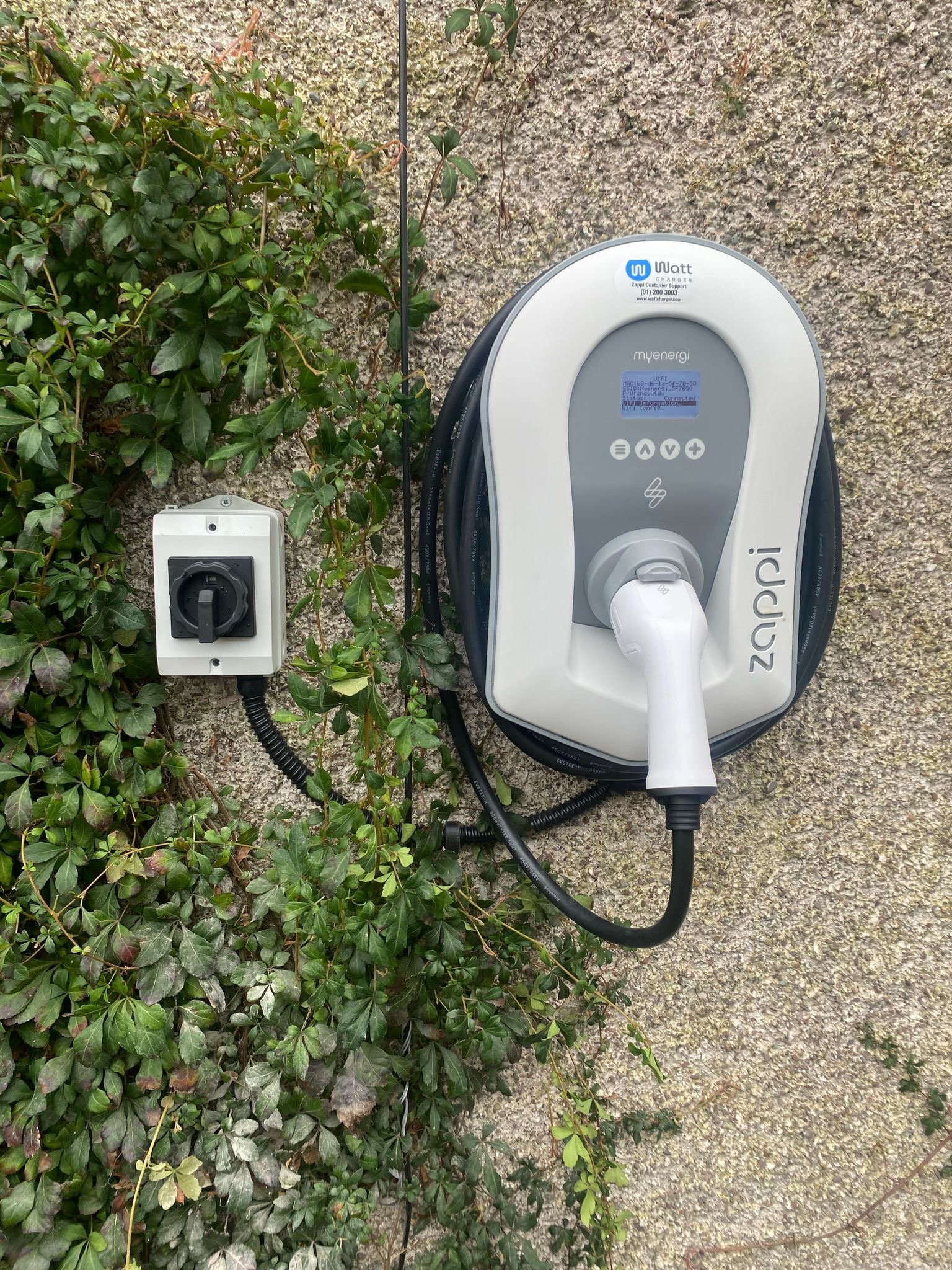
- Price: €999 (after €300 SEAI grant, net cost approximately €1,450 fully installed)
- Power: 7.4 kW (charges most EVs 0 to 80 per cent in 6 to 8 hours)
- Smart Features: App-based scheduling, solar integration (diverts excess solar to your EV automatically), eco modes, boost modes
- Best For: Homeowners with solar panels or planning to add solar in future
- Available in: Black or white; tethered (built-in cable) or untethered (bring your own cable)
- Learn more: Zappi tethered | Zappi untethered
2. Ohme Home Pro
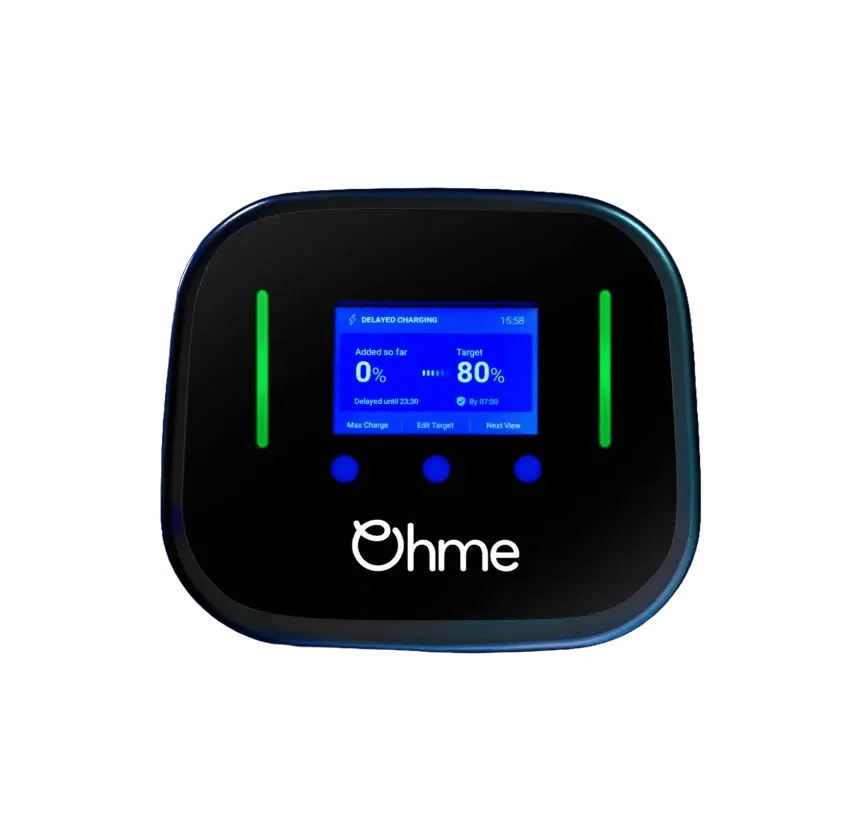
- Price: €899 (after €300 SEAI grant, net cost approximately €1,350 fully installed)
- Power: 7.4 kW
- Smart Features: Intelligent scheduling, direct integration with dynamic tariff APIs, "smart charge" mode automatically finds the cheapest hours, detailed cost tracking in the app
- Best For: EV owners who want maximum automation and tariff optimisation without solar
- Learn more: Ohme Home Pro
3. Ohme ePod
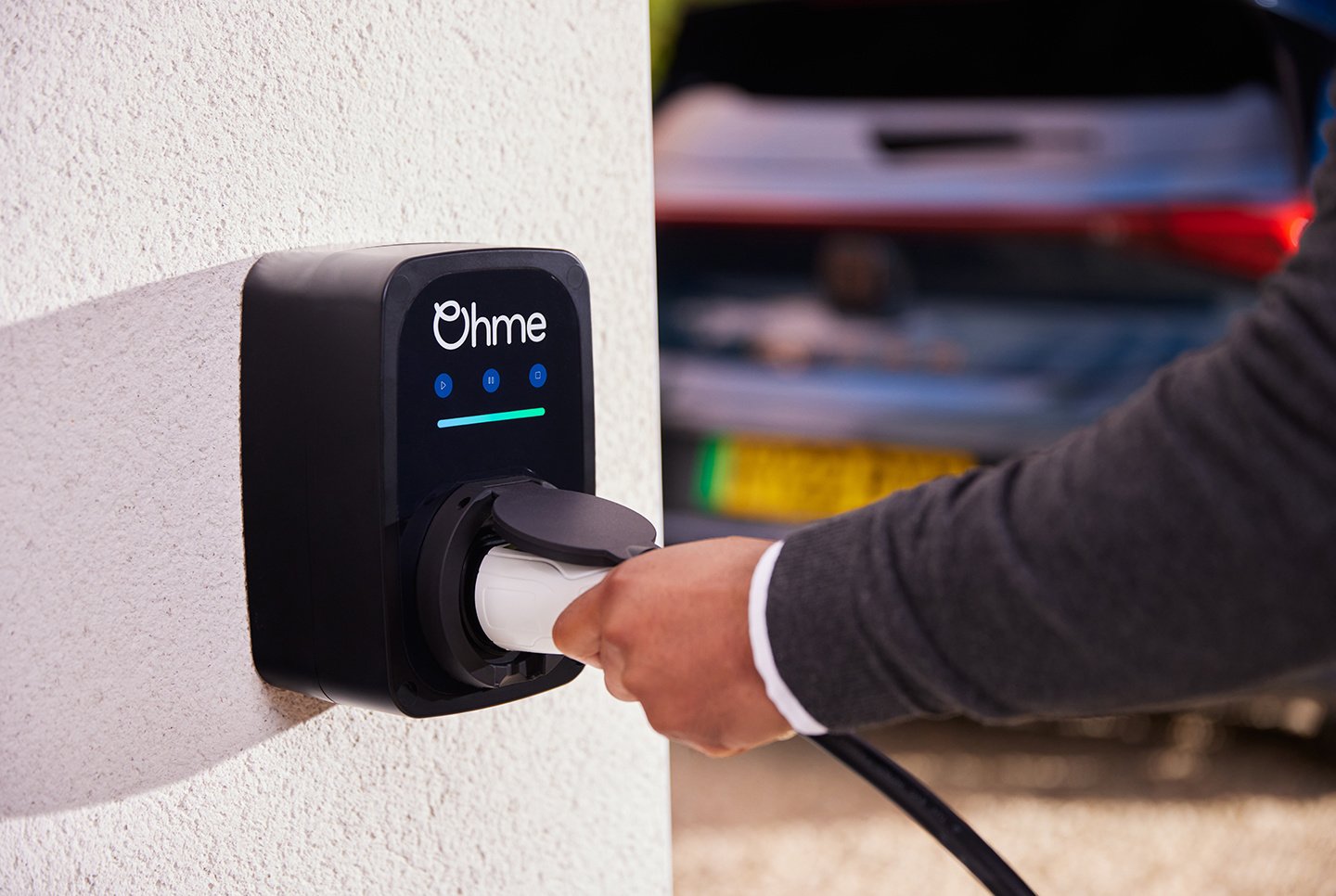
- Price: €805 (after €300 SEAI grant, net cost approximately €1,260 fully installed)
- Power: 7.4 kW
- Smart Features: Same smart scheduling and API integration as Home Pro, compact weatherproof design
- Best For: Budget-conscious buyers who want smart features in a simpler package
- Learn more: Ohme ePod
All three chargers are SEAI grant-approved, meaning you can claim the €300 home charger grant to reduce upfront costs. WattCharger handles all the paperwork, from grant application to Safe Electric certification.
Real-World Example: Annual Savings with a Smart Charger
Meet Sarah, a Dublin commuter who drives 15,000 km per year in her Hyundai Ioniq 5.
- Electricity consumption: 15 kWh per 100 km, which equals 2,250 kWh per year
- Scenario 1 (standard rate, no smart charger): €0.36/kWh × 2,250 kWh = €810 per year
- Scenario 2 (current night-rate with basic timer): €0.0545/kWh × 2,250 kWh = €123 per year (saves €687)
- Scenario 3 (dynamic tariff with smart charger, average €0.06/kWh): €0.06/kWh × 2,250 kWh = €135 per year (saves €675)
- Scenario 4 (dynamic tariff WITHOUT smart charger, charges during peak hours at €0.55/kWh): €0.55/kWh × 2,250 kWh = €1,238 per year (costs €428 MORE than standard rate!)
Smart charger investment: Ohme ePod €805 + installation €600 – SEAI grant €300 = €1,105 net cost
Payback period (Scenario 2 vs Scenario 1): €1,105 ÷ €687 annual saving = 1.6 years
Over 10 years, Sarah saves approximately €6,870 on charging costs compared to a standard rate, and avoids the risk of accidentally charging during expensive peak periods under dynamic pricing.
What If You Already Have a Basic EV Charger?
If you installed a basic (non-smart) charger in recent years, you have three options:
Option 1: Use a Manual Timer
Some EVs (for example, Tesla, VW ID. series, Hyundai Ioniq 5) have in-car scheduling features that let you set charging times via the car's app. This works reasonably well for fixed night-rate tariffs (for example, 2am to 5am every night) but cannot adapt to dynamic pricing, where the cheapest hours shift daily.
Option 2: Upgrade to a Smart Charger
Replacing your existing charger with a Zappi, Ohme Home Pro, or Ohme ePod costs approximately €1,100 to €1,450 net (after grant). Given annual savings of €600+, payback is typically under 2 years.
Option 3: Wait and Monitor
If you rarely drive more than 50 km per day and can charge opportunistically (for example, at work or public chargers), you might delay upgrading. But you will miss out on hundreds of euros in annual savings.

How to Get a Smart EV Charger Installed
Step 1: Choose Your Charger Browse WattCharger's smart EV chargers and decide between Zappi (best for solar integration), Ohme Home Pro (best for maximum automation), or Ohme ePod (best value).
Step 2: Get a Free Quote Contact WattCharger for a free consultation. An expert will assess your home's electrical capacity, parking setup, and future plans (solar, second EV) to recommend the right charger.
Step 3: Apply for the SEAI Grant WattCharger handles all SEAI paperwork on your behalf. The €300 grant is deducted from your final invoice, so you only pay the net amount. Full details are available on the SEAI EV Home Charger Grant page.
Step 4: Installation (Same Day or Next Day) A Safe Electric-certified WattCharger installer fits your charger in 2 to 4 hours. The charger is commissioned, tested, and connected to your home Wi-Fi before the installer leaves.
Step 5: Switch to a Dynamic Tariff (From June 2026) Once dynamic tariffs launch in June 2026, compare plans from Energia, SSE Airtricity, and Electric Ireland. Switch to the best deal via your supplier's website or app. Your smart charger will automatically integrate with the new tariff API and start optimising your charging schedule within 24 hours.
What About Solar Panels and Dynamic Tariffs?
If you have solar panels or are considering adding them, dynamic tariffs make solar even more valuable.
Here is why:
- Free daytime charging: On sunny days, your solar panels generate electricity at zero cost. A Zappi charger can automatically divert excess solar to your EV, meaning you charge for free instead of paying even low dynamic rates.
- Export during high prices: When dynamic tariffs launch, export payments (Clean Export Guarantee) may also become dynamic. If wholesale prices spike to €0.50/kWh at 6pm, you could export your excess solar or battery-stored energy back to the grid at that premium rate, then charge your EV overnight at €0.05/kWh, earning a €0.45/kWh margin.
- Energy independence: Solar + battery + smart EV charger creates a home energy ecosystem that minimises grid dependence and maximises savings across electricity, heating, and transport.
A typical 7 kWp solar system generates approximately 6,500 kWh per year in Ireland. If 30 per cent of that output (1,950 kWh) is diverted to your EV via a Zappi charger, you are driving 13,000 to 15,600 km per year on free solar energy, at a value of €702+ per year (based on a standard €0.36/kWh rate).
Ready to go solar? Get your free quote from WattCharger today.
Will Dynamic Tariffs Save Everyone Money?
Dynamic tariffs reward flexibility. If you can shift electricity use to off-peak hours (especially EV charging, which represents a large, movable load) you will save significantly. But if you have rigid energy habits (for example, charging immediately after arriving home at 6pm every day), dynamic tariffs could cost you more than a standard fixed rate.
Who benefits most from dynamic tariffs:
- EV owners with home chargers and flexible charging schedules
- Households with smart appliances (for example, heat pumps, immersion heaters, dishwashers with delay timers)
- Solar panel owners who can store or shift energy use
- People who work from home and can run appliances during low-price daytime hours
Who should stick with fixed or night-rate tariffs:
- Households with rigid evening energy use and no ability to shift demand
- People without smart devices or chargers
- Those who prefer price certainty over potential savings
At the time of writing, Irish suppliers are expected to offer both dynamic and traditional fixed-rate plans after June 2026, so you will not be forced onto a dynamic tariff. However, as renewable generation grows and grid flexibility becomes more critical, dynamic tariffs may become the default option (and the most cost-effective one) for the majority of households.
Final Thoughts
Dynamic electricity tariffs are coming to Ireland on 1 June 2026, and they will fundamentally change the economics of EV ownership. For drivers with smart EV chargers, dynamic pricing offers a once-in-a-generation opportunity to lock in ultra-low charging costs, potentially as low as €0.02 per kWh overnight, or €45 to €180 per year for a typical driver.
But without a smart charger, dynamic tariffs are a minefield. Charging during peak hours could cost you €0.50 to €0.70 per kWh (more expensive than diesel per kilometre) and wipe out the financial benefits of driving electric.
The charger you choose today will determine your charging costs for the next decade. Zappi, Ohme Home Pro, and Ohme ePod are designed for this new era of real-time pricing, with automated scheduling, tariff API integration, and solar compatibility. They pay for themselves in 1 to 2 years and deliver thousands of euros in savings over their lifetime.
Dynamic tariffs are not a threat; they are an opportunity. But only if you are smart about how you charge.
Ready to Charge Smarter?
Installing a smart EV charger has never been more important. WattCharger offers SEAI grant-approved installation across Ireland, with expert advice to help you choose the right charger for your needs and future-proof your home for dynamic pricing.
Browse our range of smart EV chargers or get in touch for a free consultation

Blog Author: Rowan Egan